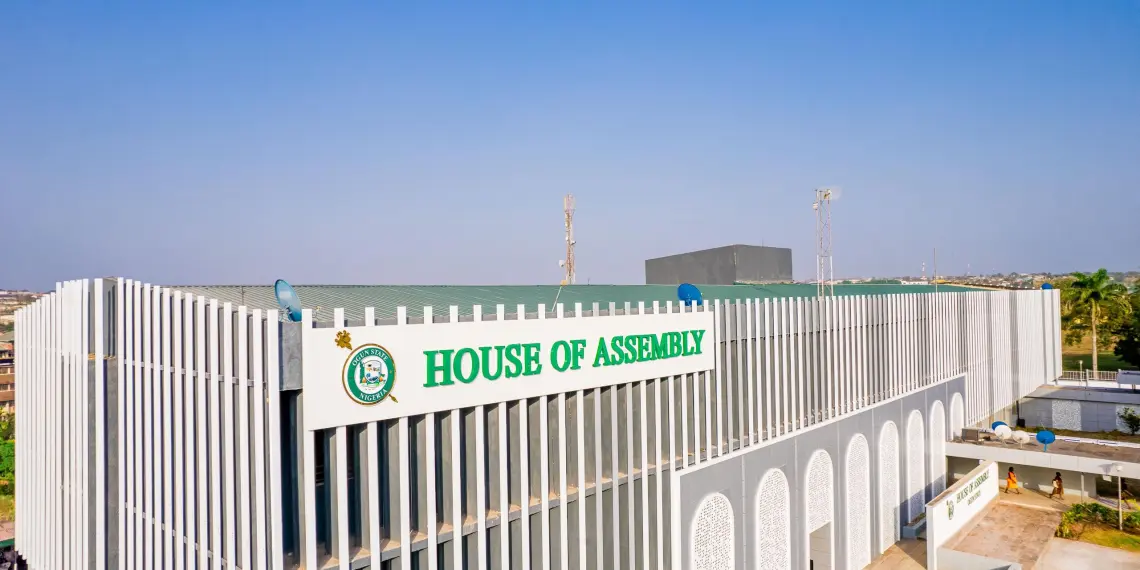
The Ogun State House of Assembly has formally concluded the detailed defence sessions for the 2026 budget proposal presented by various Ministries, Departments, and Agencies (MDAs). In a decisive move underscoring its legislative authority, the Assembly has vowed to enforce a strict, continuous oversight function to guarantee the proper and transparent utilization of public funds.
This critical phase of the budgetary process, which began on December 15, 2025, involved lawmakers scrutinizing the financial plans and justifications of MDAs. The exercise is far more than a procedural formality; it is the legislature’s primary tool for interrogating the executive’s spending priorities, ensuring alignment with state development goals, and safeguarding the public treasury.
Mr. Musefiu Lamidi, Chairman of the powerful House Committee on Finance and Appropriation, made the Assembly’s position unequivocally clear at the closing session in Abeokuta. “The budget defence is not an end in itself,” Lamidi stated. “The House will continue to exercise its constitutional responsibility as the custodian of public finance, by ensuring accountability, probity, and value for money.”
From Scrutiny to Implementation: The Real Work Begins
Lamidi outlined a proactive oversight strategy that will extend far beyond the approval of the budget figures. Key elements include:
- Continuous Monitoring: The Assembly will track budget implementation in real-time, ensuring funds are released and used for their appropriated purposes, not diverted or left idle.
- Demand for Accountability: Where gaps or inconsistencies are identified—either during the defence or later monitoring—MDAs will be summoned to provide additional documentation and clarification.
- Adherence to Regulations: All spending must comply with extant financial regulations and public procurement laws to prevent waste and corruption.
This approach transforms the legislature’s role from a passive approver to an active guardian of the budget. It signals a shift towards performance-based budgeting, where MDAs are held accountable for delivering tangible outcomes from the funds they receive.
Revenue Generation: The Foundation for the 2026 Budget
A highlight of the defence sessions was the presentation by the Ogun State Internal Revenue Service (OGIRS). Executive Chairman Mr. Olugbenga Olaleye reported that the agency had already generated over N84 billion as of October 2025, achieving more than 83% of its target for the year. This strong performance provides a solid fiscal foundation for the state.
Looking ahead, OGIRS has set an ambitious target of N250 billion in Internally Generated Revenue (IGR) for 2026. Olaleye indicated that this would be pursued through the strict enforcement of new federal tax laws, which are expected to expand the tax net, integrate informal sectors, and significantly curb existing revenue leakages. The success of this revenue drive is crucial for funding the ambitious projects and services outlined in the 2026 budget without over-reliance on volatile federal allocations.
A Collaborative Imperative for Development
Lamidi framed the rigorous process as a necessary and constructive engagement between the legislative and executive arms. “Both the legislature and the executive share a collective responsibility to deliver a 2026 budget that is realistic, implementable, and responsive to the aspirations of Ogun residents,” he explained.
The ultimate goal is to align government spending with the critical needs of the people—improving infrastructure, healthcare, education, and security. By vowing strict oversight, the Ogun Assembly is putting MDAs on notice that the era of budget padding, frivolous expenditures, and poor project execution will be met with intense legislative scrutiny. The message is clear: public funds must translate directly into public good.
Other key MDAs that participated in the defence sessions included the Ministry of Budget and Planning, the Ministry of Finance, and the Office of the Accountant-General of the State, all of which are central to the state’s fiscal architecture.