By Clara Egbogota
Asaba, Dec. 24, 2025 – The push for the creation of Anioma State has gained significant momentum, with a key socio-cultural organisation issuing a direct appeal to federal legislators. The Ndi Na Asu Bia Socio-Cultural Organisation (NNABSCO) has called upon lawmakers from Nigeria’s South-East geopolitical zone to actively champion the bill for the establishment of Anioma State, arguing it is a critical step for regional equity and cultural reclamation.
Chief Chikeobi Agada, Patron of NNABSCO, made this urgent call in a statement released in Asaba, Delta State. The appeal follows a major show of public support: a successful solidarity rally held in Asaba where a broad coalition of Anioma people demanded the state’s creation and its assignment to the South-East zone.
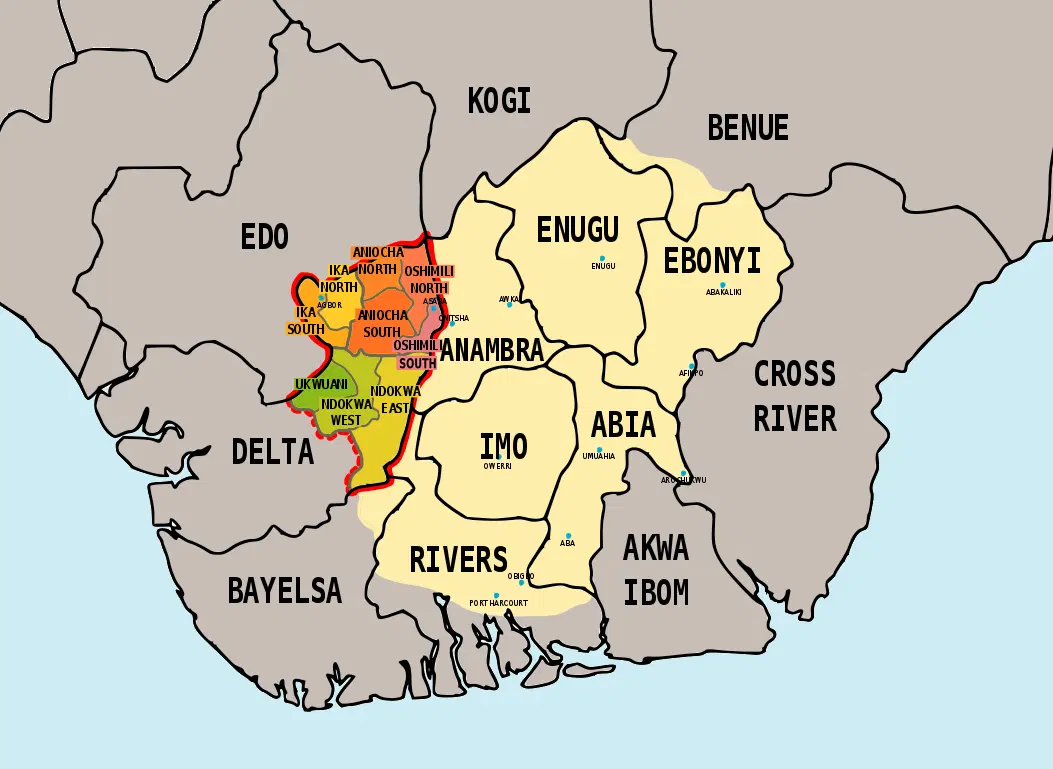
The term “Anioma” refers to the nine Local Government Areas (LGAs) that constitute the Delta North Senatorial District. These communities, primarily of Igbo ancestry, have long expressed a desire for political autonomy and closer ties with their kin in the South-East. Agada’s statement reveals that the rally enjoyed widespread endorsement, including from Anioma communities in neighbouring Edo State, signalling a unified front rarely seen in such agitations.
Beyond local politics, the campaign is framed within a larger historical and strategic context. Chief Agada, himself of South-East origin, described the creation of Anioma State as “a pathway to reclaiming all lost Igbo territories.” This statement taps into a deep-seated narrative among some Igbo groups concerning communities separated by colonial and post-colonial state boundaries. The proposed state is viewed not just as an administrative unit, but as a means of cultural and political reintegration.
“We are pleading with South-East Legislators to see reasons to work for the success of the proposed Anioma State Creation bill,” Agada stated. He emphasised the critical juncture of the legislative process: “At the moment, the bill is at the caucus stage where considerations and votes of the lawmakers matter a lot on which among the proposed states before the National Assembly should be approved.”
The appeal highlights a complex legislative journey. For a new state to be created in Nigeria, an amendment to the constitution is required. This involves a rigorous process where a bill must secure a two-thirds majority in both the Senate and the House of Representatives, followed by approval by two-thirds of the state legislatures. The initial “caucus stage” mentioned by Agada is therefore vital for building consensus and momentum before the bill faces the broader assembly.
Agada acknowledged the endorsement of the apex Igbo socio-cultural organisation, Ohanaeze Ndigbo, expressing gratitude for their support. He called for unity, urging stakeholders to “forget about personal interest and look at the overall interest of the Igbo people.” The statement also appeals to President Bola Tinubu and Delta State Governor, Sheriff Oborevwori, to leverage their influence in support of the bill.
While acknowledging “some disappointments and dissenting voices,” Agada insisted the process remains on course. The creation of Anioma State, if realised, would alter Nigeria’s geopolitical map, potentially strengthening the South-East’s representation and addressing long-standing calls for a sixth state in the zone to achieve parity with other regions. The coming months will test the political will of South-East lawmakers and the viability of this decades-old aspiration.
Source: NAN News