
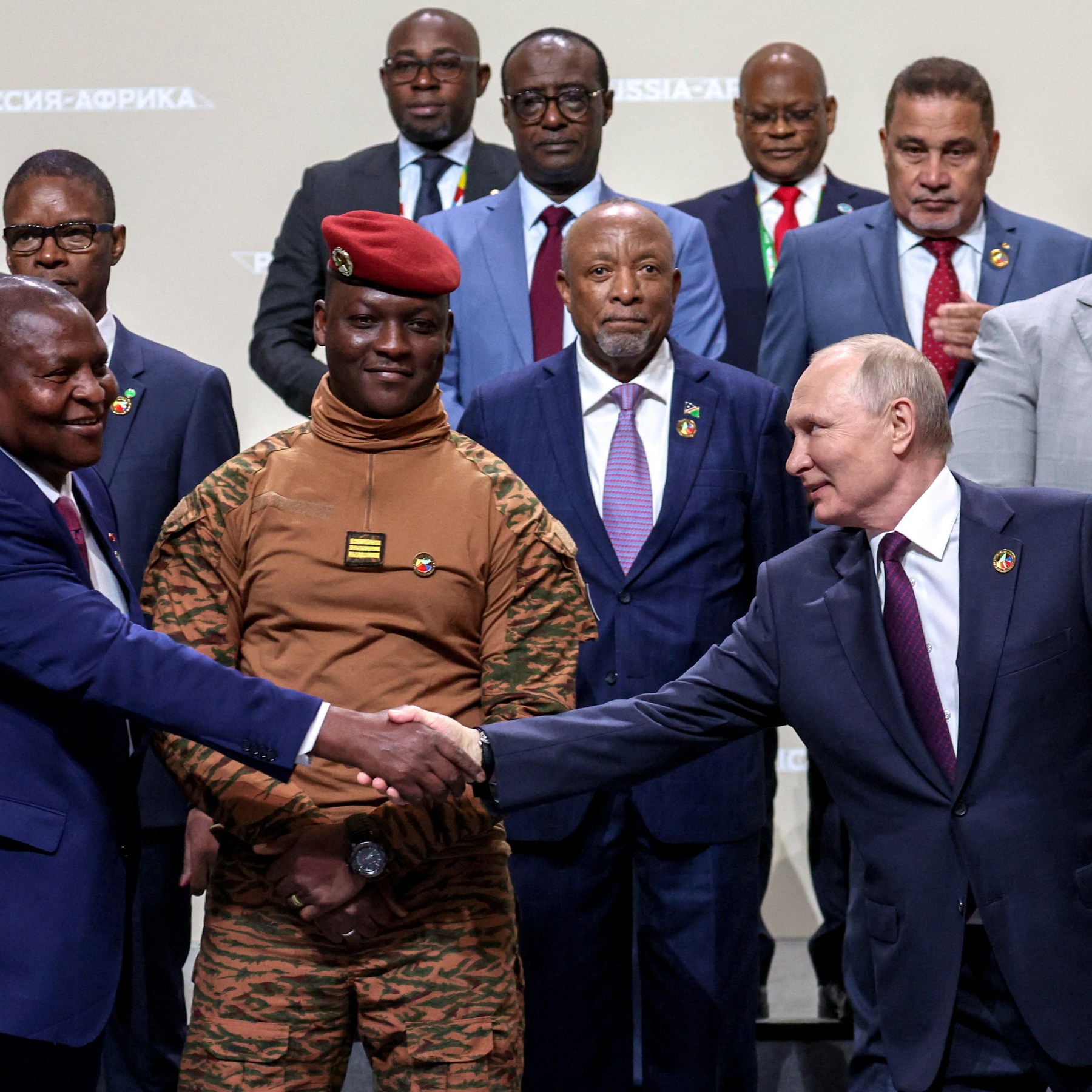
In a significant diplomatic move, Russia and the nations of Africa have charted a concrete course for deepened collaboration, moving beyond rhetoric to a structured four-year action plan. The second ministerial conference of the Russia–Africa Partnership Forum in Moscow concluded with a pivotal agreement: a joint action plan spanning 2026 to 2029, with a pronounced focus on enhancing trade ties and cooperative environmental protection. This agreement signals a strategic, long-term commitment from both sides at a time of global realignment.
The conference, a substantial gathering noted by the Russian Foreign Ministry, brought together a formidable bloc of international actors. It was attended by the heads and representatives of foreign policy agencies from 52 African states—nearly every nation on the continent—and executive bodies of eight regional integration associations, such as the African Union (AU) and the Economic Community of West African States (ECOWAS). This wide participation underscores the pan-African interest in diversifying international partnerships.
While the forum’s agenda was broad, two key areas emerged as pillars of the new action plan:
1. Trade and Economic Cooperation: Beyond Raw Materials
The commitment to strengthen trade is expected to build on existing frameworks but with potential new dimensions. Historically, Russia’s trade with Africa has centered on arms, grain, and mineral resources. The new plan may aim to broaden this scope. For African nations, this represents an opportunity to access Russian expertise in sectors like energy infrastructure, nuclear technology for power generation, and railway construction. Conversely, Russia seeks reliable partners for its agricultural exports and new markets for its manufactured goods, especially as it faces Western sanctions. The flurry of bilateral meetings—with countries from Congo and Tanzania to Botswana and Namibia—highlights the tailored, country-specific negotiations that will underpin this broader trade initiative.
2. Environmental Protection and Climate Action: An Unexpected Focus
The explicit prioritization of environmental protection and climate within the joint plan is a notable development. This moves the partnership into a domain typically dominated by Western and Chinese engagements in Africa. Potential cooperation could include:
– Climate Adaptation Projects: Russian support for drought-resistant agriculture or water management systems in vulnerable regions.
– Wildlife Conservation: Joint anti-poaching initiatives and protected area management.
– Clean Energy: Collaboration on hydroelectric, solar, or the aforementioned nuclear power projects, framed as low-carbon solutions.
This focus allows both sides to address a critical priority for Africa while bolstering Russia’s international standing as a partner in global climate governance.
The high-level diplomacy at the forum was exemplified by the meeting between Russian Foreign Minister Sergey Lavrov and Egyptian President Abdel Fattah El-Sisi. Egypt, a longstanding and influential partner for Russia in Africa, often serves as a gateway for deeper engagement on the continent. Their discussions likely set the tone for the wider forum.
Minister Lavrov’s statement that the conference created a “solid foundation” for the third Russia–Africa Summit in 2026 is telling. It frames this ministerial meeting not as an end, but as a crucial preparatory step for an even more consequential heads-of-state gathering. The over 20 meetings and events held by the Russian delegation, and the signing of numerous bilateral documents, provide tangible substance to this foundation.
Broader Implications and Context
This strengthened partnership occurs against a backdrop of a multipolar world order taking shape. For many African nations, engaging with Russia is a pragmatic exercise in partnership diversification, reducing over-reliance on traditional Western or Chinese partners. It offers alternative sources of investment, security cooperation, and political support. For Russia, a deeper foothold in Africa expands its geopolitical influence, provides economic leverage, and helps counter its diplomatic isolation following the Ukraine conflict. The adopted joint statement on “common approaches to addressing global challenges” hints at aligned positions in international forums like the UN.
In conclusion, the 2026-2029 action plan is more than a diplomatic communiqué. It is a roadmap for a more institutionalized and multifaceted relationship. While the success of its trade and environmental goals will depend on practical implementation and funding, the Moscow conference has undeniably elevated the Russia–Africa partnership to a new, more strategic phase. The world will be watching closely as this plan unfolds, with the 2026 summit poised to be its next major milestone.


