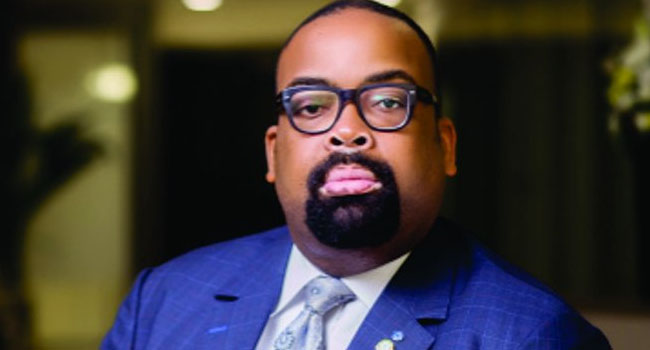
As the world welcomed 2026, His Royal Majesty, Oba Frederick Balogun JP, the Olu Apata-Oworo, extended heartfelt New Year felicitations to his subjects and all citizens of Kogi State. In a profound message delivered from Lokoja, the traditional ruler emphasized that the new year is not merely a change of date but a spiritual and communal renewal—a time for “new beginning, hope, and fulfilment.”
At the core of Oba Balogun’s message was a dual call to action: first, an exhortation to “keep faith in God for the growth and development of the land,” and second, a plea for genuine support from communities toward their leaders. This intertwining of spiritual faith and civic duty forms a powerful framework for progress. The Oba’s perspective suggests that development is not solely a political or economic endeavor but one rooted in collective trust and divine guidance. For communities like Apata-Oworo, this faith often translates into the resilience and unity needed to navigate challenges and seize opportunities.
Reflecting on his over 11-year reign, Oba Balogun expressed deep gratitude for the “support and cooperation” of his people, which he described as “a pill, empowering and encouraging me to lead as expected.” This metaphor of medicine highlights how public trust can heal divisions and strengthen governance. He pledged never to betray this sacred trust, acknowledging that leadership is a covenant with the people. His acknowledgment of God’s faithfulness throughout 2025 serves as a reminder of the community’s shared journey through the past year’s trials and triumphs.
The traditional ruler also addressed the role of citizens within the broader state, charging them to “remain law-abiding.” He coupled this with a powerful prayer for protection: “as we entered into the new year in peace and with joy, no evil shall befall anyone of us throughout the year.” This blend of civic responsibility and spiritual blessing is characteristic of traditional leadership, which often bridges the gap between secular law and communal well-being.
Turning to governance, Oba Balogun offered notable commendation for the administration of Governor Ahmed Ododo, particularly highlighting its commitment to security. “The successes so far recorded in 2025 in restoring peace and security of lives and property” are, in the Oba’s view, foundational to all other development. This is a critical insight; without security, economic and social growth is severely hampered. His call for continued public support for the administration is framed pragmatically—it is through such solidarity that the government is empowered “to do more towards the growth and development of the state.”
Furthermore, the Olu Apata-Oworo extended gratitude beyond government, specifically thanking Alhaji Aliko Dangote and the management of Dangote Cement Plant Plc. This acknowledgment underscores a vital modern dynamic: the role of corporate citizenship and public-private partnership in community development. The “infrastructural development” brought to the domain, which has “positively touched the lives of the Apata-Oworo people,” exemplifies how strategic investment by responsible corporations can directly uplift communities, creating jobs, improving infrastructure, and fostering local economic cycles.
In essence, Oba Frederick Balogun’s New Year message is a holistic blueprint for community advancement. It connects unwavering faith in God, loyal support for traditional and political leadership, responsible citizenship, and fruitful partnerships with the private sector. For the people of Apata-Oworo and Kogi State, it provides a clear, values-driven path forward into 2026—a year he envisions as one of peace, security, and collective prosperity.
Reported by Thompson Yamput for the News Agency of Nigeria (NAN). Edited by Gabriel Yough.