In a significant political gesture, Imo State Governor and Chairman of the South-East Governors’ Forum, Hope Uzodinma, has reaffirmed the commitment of the region’s leadership to unity, collaboration, and support for President Bola Tinubu’s administration. This move, articulated during a New Year visit to Abia State Governor Alex Otti, signals a potential strategic realignment with profound implications for the region’s development and national politics.
By Ihechinyere Chigemeri-Uwom
Nvosi (Abia), Jan. 2, 2025 (NAN)
The visit, to Governor Otti’s country home in Nvosi, Isiala Ngwa South Local Government Area, was framed as a symbol of ongoing efforts to strengthen regional cooperation. Uzodinma emphasized that such sustained collaboration is essential to unlocking the South-East’s vast but often underutilized economic potential and improving living standards for its people.
“This is a new year, 2026, and as leaders of the South-East, we are determined to develop our region through collaboration,” Uzodinma stated. The meeting, he noted, provided a forum for frank discussions on critical governance priorities, including infrastructure deficits, security challenges, economic growth strategies, and welfare-enhancing policies.
Beyond Symbolism: The Substance of Regional Cooperation
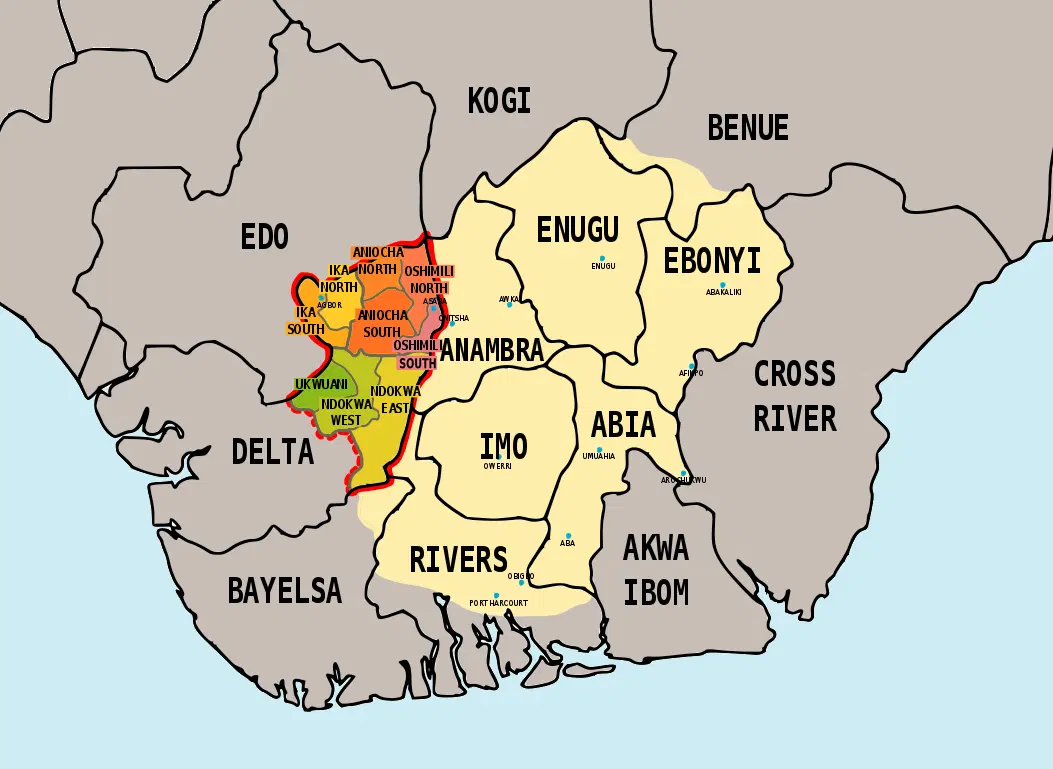
While New Year visits are customary, the context of this meeting carries deeper weight. The South-East has historically grappled with complex issues like the sit-at-home orders, infrastructural neglect (notably federal roads and the Enugu airport prior to its rehabilitation), and perceptions of political marginalization. A unified front among the five governors could provide a stronger collective bargaining position to address these challenges with the federal government. The exchange of ideas on security, for instance, is crucial for a region where communal and non-state actor violence have impacted commerce and daily life.
Navigating the Political Landscape: Unity and National Allegiance
Addressing the inevitable questions of political motive, Uzodinma was candid: “Everything in the world is politics. When two politicians meet, political conversations will naturally take place.” However, he swiftly pivoted to a message of national integration, making a pointed declaration on the evolving political identity of the region’s leadership: “We have decided to stop tribal politics. We are Nigerians first before any other identity.”
This statement is a significant rhetorical shift, aiming to transcend the often restrictive frame of ethnic-based political calculus. He directly linked this unity to support for President Tinubu, dismissing notions that opposition realignments could weaken the President’s prospects. “President Tinubu is a brand. His achievements in the economy, security, policies and social interventions speak clearly,” Uzodinma argued, asserting that all five South-East governors are united in supporting Tinubu’s policies and governance initiatives.
Governor Otti’s Nuanced Response: Governance Over Partisanship
In his response, Governor Alex Otti, a member of the Labour Party, provided a nuanced counterpart to Uzodinma’s assertions. While thanking Uzodinma for the visit, he echoed that political discussions among leaders are unavoidable. Crucially, Otti framed governance as a continuous, collective responsibility that exists above partisan fray. “Government is one. You cannot claim opposition to a government you are constitutionally part of,” he stated, drawing a clear distinction between party affiliation and the constitutional duty to govern.
Otti’s comments, “You may disagree, but once decisions are taken, everyone remains part of the system,” suggest a pragmatic approach focused on administrative cooperation rather than ideological opposition. He grounded the meeting in historical and social ties, noting, “We were once one state. Boundaries do not divide us. We are Igbo people and Nigerians,” thereby affirming a layered identity that encompasses both regional kinship and national citizenship.
Analysis: A Calculated Move with Multiple Aims
This engagement can be interpreted on several levels:
- Regional Development: A genuine attempt to present a cohesive front to tackle the South-East’s specific developmental challenges through shared strategies and potentially joint advocacy.
- Political Positioning: Ahead of the 2027 general elections, it serves to project the South-East governors as a unified bloc, potentially negotiating for greater influence and deliverables from the center.
- National Integration Narrative: It actively counters narratives of secession or alienation, instead promoting a story of reintegration and commitment to the Nigerian project under the current administration.
Uzodinma concluded by urging the media to accurately reflect these positions, stressing the region’s commitment to national unity and a peaceful, stable, and prosperous Nigeria. Whether this public display of unity translates into concrete, collaborative projects and sustained political alignment remains the critical test for the South-East Governors’ Forum. (NAN) (www.nannews.ng)
INA/KTO
========
Edited by Kamal Tayo Oropo