In a significant 24-hour operational surge, the Nigerian Army has reported sustained momentum across the nation’s primary conflict theatres, neutralizing scores of terrorists and critically disrupting criminal networks. This latest wave of coordinated, intelligence-led actions underscores a continued push to deny adversaries freedom of action and reclaim security for affected communities. [[PEAI_MEDIA_X]]
A senior Army Headquarters source, briefing the News Agency of Nigeria (NAN), detailed the multi-front successes. The operations highlight a critical evolution in Nigeria’s counter-insurgency strategy: the integration of real-time intelligence, rapid response forces, and joint-service synergy between the Army and the Nigerian Air Force (NAF).
North-East: Thwarting Catastrophic Attacks in Operation Desert Sanity V
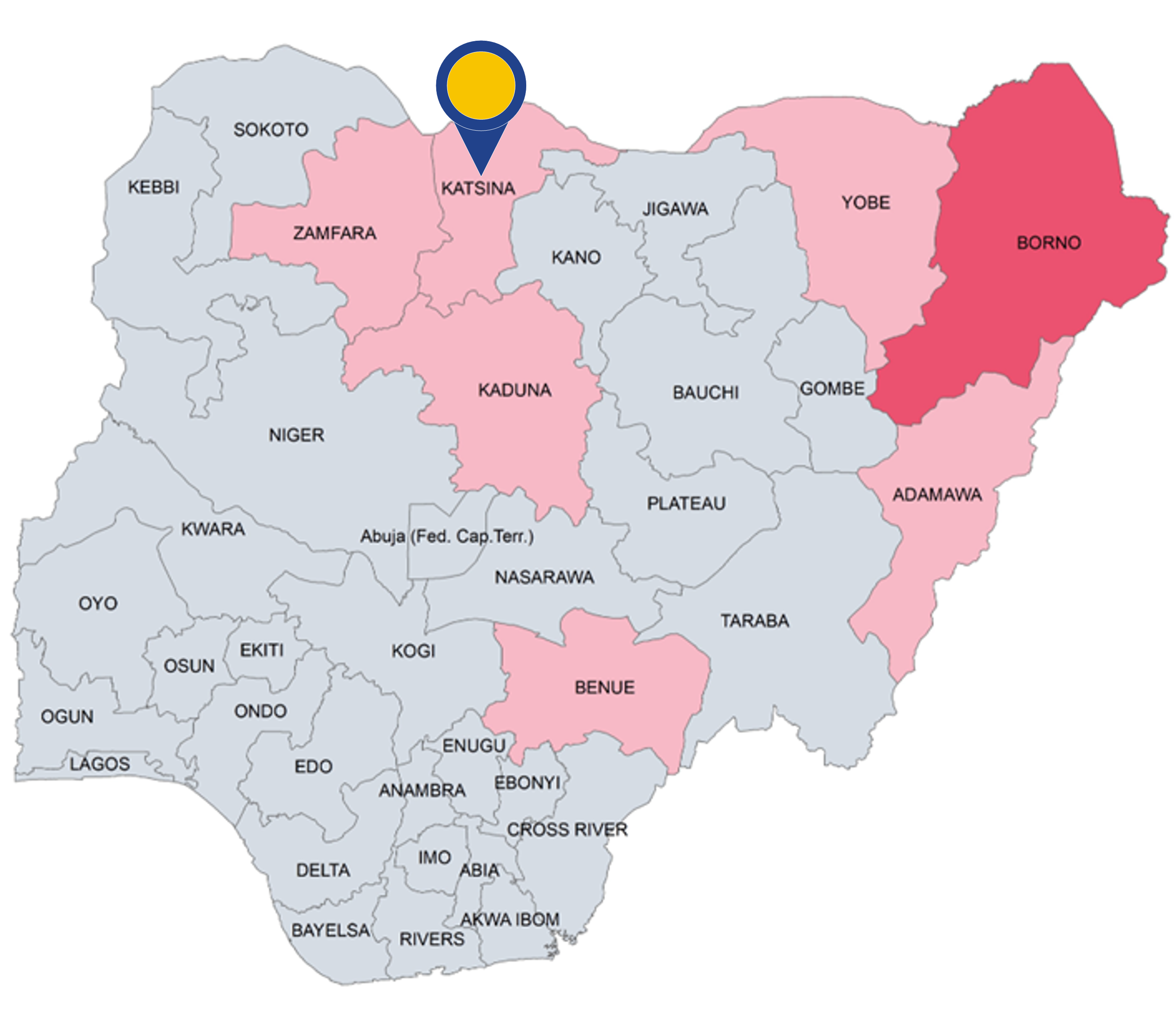
Under Operation HADIN KAI, troops executing Operation Desert Sanity V achieved a pivotal victory by intercepting and neutralizing multiple suicide bombers. This success, predicated on credible intelligence, prevented planned attacks on both civilian populations and military installations—a dual-threat scenario that highlights the persistent ambition of terrorist factions. The recovery of suicide vests, arms, ammunition, and IED materials is a tactical windfall. It not only deprives the enemy of resources but also provides forensic opportunities to trace supply chains. Forcing surviving terrorists into difficult terrain compounds their logistical and communication challenges, effectively containing their operational radius.
North-West: Community-Centric Defense in Operation FANSAN YAMMA
In the North-West, troops of Operation FANSAN YAMMA demonstrated the vital importance of community trust. Acting on timely intelligence and distress calls from residents, they pre-emptively engaged armed elements at identified staging areas in Zamfara, Katsina, Kebbi, and Kaduna states. This community-army feedback loop is essential for disrupting the planning cycle of bandits and terrorists. Furthermore, the NAF’s precision air interdiction against convoy-moving groups represents a force multiplier, neutralizing key personnel and destroying mobility assets like motorcycles, which are crucial for the hit-and-run tactics prevalent in the region.
[[PEAI_MEDIA_X]]
Strategic Depth: Targeting the Network, Not Just Fighters
Beyond kinetic engagements, operations yielded strategic gains. The arrest of suspects linked to terrorist networks—including logistics couriers and informants—is arguably as impactful as battlefield successes. Dismantling these support cells through ongoing investigations strikes at the logistical and intelligence backbone of insurgent groups, aiming to create long-term degradation rather than temporary setbacks. Simultaneously, the recovery of rustled livestock and the destruction of kidnapping hideouts address the criminal-economic motivations that often fuel instability.
Nationwide Reach: Arms Interdiction and Force Sustainability
The recovery of assorted arms in the North-Central and South-South regions, following public tip-offs, indicates the nationwide spread of illicit weapons and the public’s growing role in security. The military’s emphasis on seamless welfare flights for troop rotation is a critical, often overlooked, component of operational sustainability. Maintaining morale and ensuring fresh forces are cycled into theatres is fundamental to preserving the high tempo of operations announced.
[[PEAI_MEDIA_X]]
The Army’s reaffirmed commitment to sustaining offensive pressure is clear. However, the source’s concluding call for continued public intelligence sharing underscores a fundamental truth: in asymmetric warfare, the citizenry is the ultimate force multiplier. These reported gains represent not just military action, but a fragile, evolving partnership between the state and its people in the fight for national security.
Source: NAN (Edited for context and analysis)