In a significant move to balance educational continuity with security concerns, the Kebbi State Government has announced a phased resumption for schools, directing those in urban centres to reopen on Monday, January 6, 2025. The decision, which applies to both public and private institutions, comes with a critical caveat: schools in remote or vulnerable areas are to remain closed until further notice.
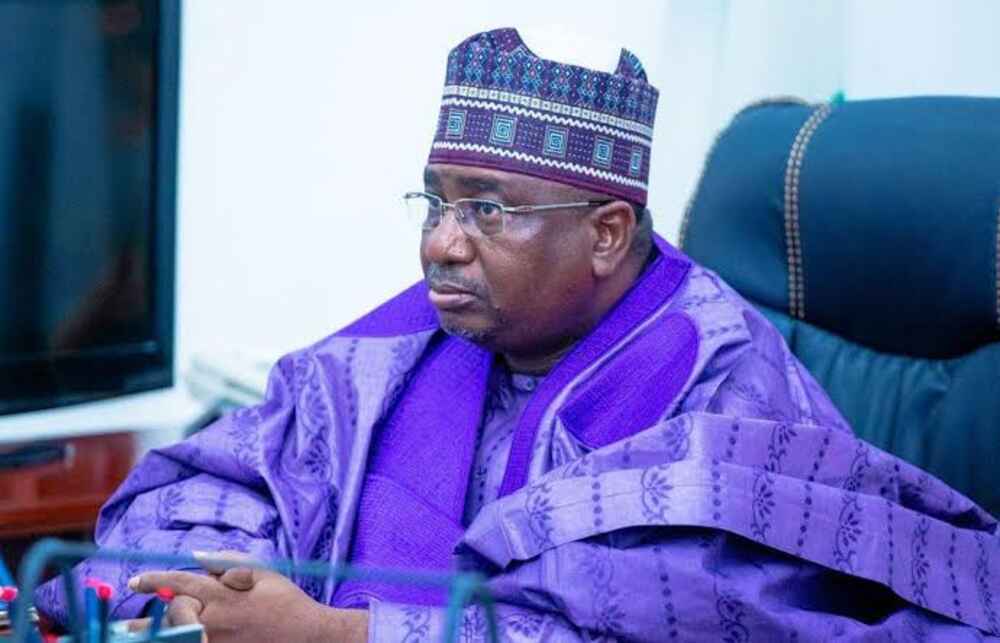
The announcement was made by the State Commissioner for Basic and Secondary Education, Dr. Halima Muhammad-Bande, during a press briefing in Birnin Kebbi on Sunday. This targeted approach underscores a nuanced strategy by the state, acknowledging that security challenges are not uniform across all regions.
Understanding the Phased Resumption: Urban vs. Remote
Dr. Muhammad-Bande provided clear demarcations for the resumption order. Schools situated within cities and major towns—where security infrastructure and personnel presence are typically more robust—are mandated to resume. Conversely, institutions on the outskirts of towns, in rural hamlets, or areas deemed vulnerable due to recent security incidents are explicitly exempted.
This geographical distinction is not merely administrative; it reflects a pragmatic risk assessment. In many Nigerian states, remote schools are often more susceptible to security threats, including banditry and kidnapping. By holding their resumption, the government aims to mitigate these risks while gradually restoring the educational calendar where it is safest to do so.
Government Assurances and Parental Appeal
Central to the commissioner’s message were assurances of safety. “The state government has put in place adequate security measures to ensure the safety of pupils, students and teachers in the affected schools,” she stated. While specific operational details were not disclosed for security reasons, such measures typically involve increased collaboration with local security agencies, community vigilance groups, and possibly the fortification of school premises.
Accompanying these assurances was a direct appeal to parents and guardians. “We are appealing to parents and guardians to release their wards to resume school as scheduled,” Muhammad-Bande said, adding, “The government is doing everything humanly possible to secure all schools that are reopening.” This appeal highlights a common challenge: restoring parental confidence after periods of closure due to security fears. The success of the resumption hinges not just on physical security, but on convincing families that the environment is safe for learning.
The Broader Context: A Delicate Balance
This phased resumption represents a critical attempt to navigate a complex dilemma. Prolonged school closures have devastating, long-term consequences on literacy, child welfare, and social development—a phenomenon often termed a “generational catastrophe.” However, reopening without due caution can expose children and educators to grave danger.
Kebbi’s model of a geographically staggered return attempts to split the difference. It allows for the resumption of educational activities for a significant portion of the student population in more secure zones, while buying time to enhance security protocols and potentially deploy additional resources to the more at-risk areas. The commissioner’s reiteration that “no school in remote or vulnerable areas should resume until further notice” leaves the timeline for their reopening contingent upon tangible improvements in the local security situation.
As urban schools in Kebbi State prepare to reopen their gates, the move is being closely watched as a potential template for other regions grappling with similar security-education conflicts. The coming weeks will be a crucial test of the government’s security preparations and its ability to sustain a safe learning environment, ultimately determining when and how the remaining students in remote areas can also return to their classrooms.
Reported by Ibrahim Bello for the News Agency of Nigeria (NAN).