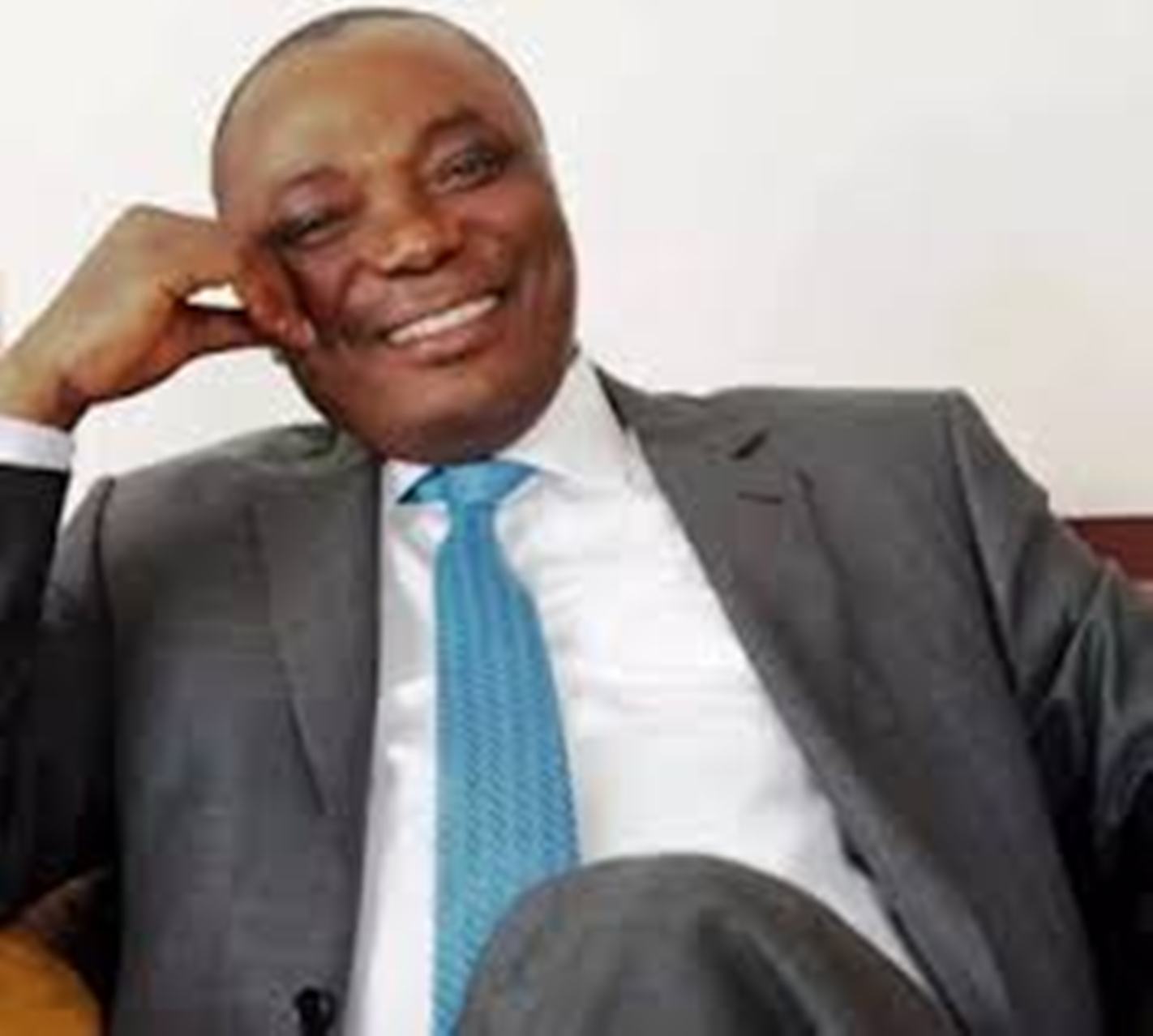
In a political landscape often dominated by high-profile defections and the cult of personality, a fundamental principle of democracy is being reasserted by the Peoples Democratic Party (PDP) in Ondo State. The State Chairman, Mr. Modupe Aisida, has articulated a crucial, yet often overlooked, truth: ultimate electoral power resides not with political elites, but with the electorate. This perspective offers a vital lens through which to analyze Nigeria’s evolving political dynamics, especially as the 2027 elections loom on the horizon.
Chairman Aisida’s assertion comes at a critical juncture for the PDP, a party that has witnessed a significant exodus of its prominent members, including sitting governors, to the ruling All Progressives Congress (APC). While acknowledging the “great advantage” of having influential figures, Aisida draws a clear distinction between transient political strength and enduring electoral power. “The PDP’s strength remains in the electorate,” he stated, emphasizing a strategic pivot from reliance on “strongmen” to investment in “strong institutions” that empower ordinary citizens to exercise their franchise freely.
To substantiate this argument, Aisida pointed to recent electoral surprises that defied conventional wisdom. “Look at what happened in Lagos,” he noted, referencing the 2023 presidential election where Bola Tinubu, a former governor and political godfather of the state, and the incumbent Governor Babajide Sanwo-Olu, failed to deliver the state for their party. “Tinubu also lost in Osun State, his home state… So, you can imagine the power of the people.” These examples serve as powerful case studies in the limitations of top-down political control and the potent, if sometimes latent, force of the voter’s will when institutions allow it to be expressed.
This philosophy represents a significant shift from the clientelist politics that have characterized many Nigerian elections, where votes are often seen as commodities to be exchanged for short-term gain. Aisida directly addressed this corrosive practice, calling for the education and enlightenment of the populace. “The people should be educated… that the electoral power lies on them so that they should stop selling their votes during elections.” This highlights a core challenge: for voter-centric power to be realized, it requires an informed and empowered citizenry that values its ballot as a tool for long-term governance, not immediate patronage.
Regarding the internal state of the PDP, Aisida dismissed notions of deep factionalism, framing internal debates as the healthy expression of “varied opinions and interests” inherent in a large, democratic party. He also provided clarity on the party’s preparation for 2027, confirming that the PDP has “corrected the mistake” of 2023 by zoning its presidential ticket to the southern part of the country. On the speculation around former President Goodluck Jonathan’s potential return, Aisida reaffirmed the party’s democratic ethos: “Everybody will be given that chance to exercise their democratic rights” through primaries.
The Chairman’s message is ultimately one of confidence and strategic realignment. He expressed a lack of concern over defectors, many of whom he accused of acting out of “selfish interest.” “They rode in on the shoulder of the party, we worked for them, but we have moved on,” he stated, suggesting that their departure might even purify the party’s purpose. The coming elections, he implied, will be the true test: “Let’s see how that will help some of these people who jumped ship… if we have free and fair election, then we’ll see how strong and popular they are.”
In essence, Mr. Aisida’s commentary is more than just party rhetoric; it is a thesis on the source of legitimate political authority. It challenges the prevailing narrative of politics as a game solely for elites and posits a future where success is built not on backroom deals with “bigwigs,” but on a genuine, grassroots connection with the “ordinary folks out there.” Whether this vision translates into electoral success remains to be seen, but it undoubtedly reframes the upcoming political contest as a battle for the heart of Nigerian democracy itself.