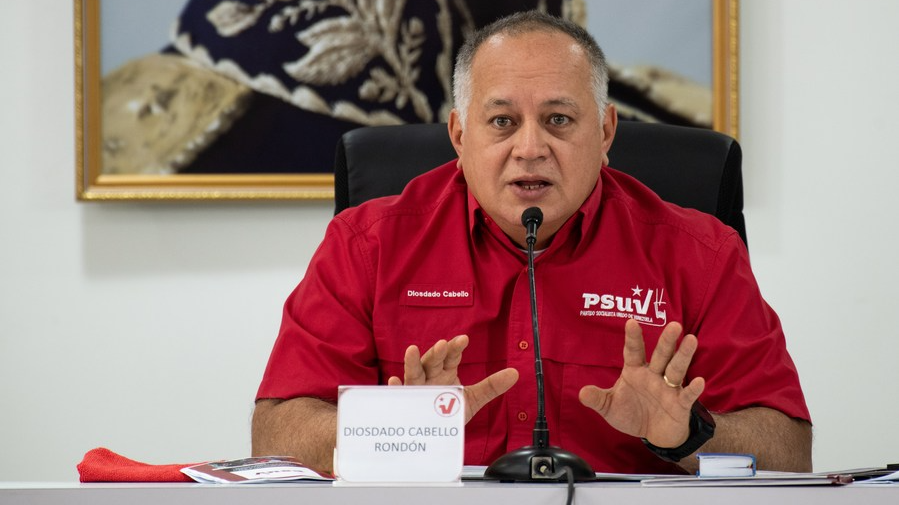
In a significant escalation of the diplomatic fallout following the U.S.-led military intervention in Caracas, Venezuelan Interior Minister Diosdado Cabello has publicly claimed that the operation resulted in 100 fatalities. This announcement marks the first time the Maduro-aligned government has provided a comprehensive casualty figure, sharply contradicting earlier, more limited counts and setting the stage for intensified international recriminations.
The operation, which led to the removal of President Nicolás Maduro from power, has been shrouded in conflicting narratives regarding its human cost. Until now, official Venezuelan sources had been reticent on total numbers, though the Venezuelan army had previously published a list naming 23 of its deceased personnel. Cabello’s new, substantially higher figure appears to encompass not only military losses but also members of Maduro’s security detail and foreign advisors.
Deconstructing the Conflicting Casualty Reports
The discrepancy between the 100 claimed by Cabello and the army’s list of 23 names highlights the fog of war and the potent use of information as a political weapon. Analysts suggest the larger figure likely includes:
- Core Security Forces: Venezuelan officials have asserted that a significant portion of Maduro’s personal security contingent was killed “in cold blood,” implying executions rather than deaths in combat.
- Foreign Personnel: Cuba has separately confirmed the deaths of 32 of its military and intelligence advisors stationed in Venezuela, a claim that underscores the deep involvement of foreign actors in propping up the Maduro government and complicates the regional response.
- Civilian Casualties: While not explicitly stated, such a high total may also imply civilian deaths, a point likely to be leveraged in future war crimes allegations or International Criminal Court inquiries.
Condition of Detained Leadership and Political Context
Cabello provided new details on the condition of the deposed leadership, now in U.S. custody. He reported that Maduro’s wife, Cilia Flores, sustained a head injury during the raid, while Maduro himself suffered a leg injury. These claims, impossible to independently verify, are presented within a narrative of victimhood and brutality, aimed at galvanizing remaining loyalist support and painting the intervention as unlawfully violent.
His statement included a notable defense of Maduro’s legitimacy: “Regardless of whether his ideology is different, whether you agree or disagree with his ways of thinking, he is carrying out his mission to lead a nation.” This framing is a direct challenge to the intervention’s legal and moral justification, arguing for the sovereignty of even controversial elected leaders.
Domestic and International Repercussions
The interim government, led by President Delcy Rodríguez—whom Cabello praised as “courageous”—has declared a week of national mourning for the military personnel killed. This move serves dual purposes: honoring the fallen and reinforcing the state’s narrative of an external attack on the nation’s sovereignty.
Looking Ahead: Implications for Stability and Justice
The release of this fatality figure is not merely a statistical update; it is a political act with serious implications:
- Legacy of Resistance: It creates a foundational martyr narrative for any future loyalist or anti-intervention movements within Venezuela.
- International Law: The allegations of executions (“in cold blood”) and high casualties will fuel investigations into the intervention’s proportionality and adherence to international humanitarian law.
- Regional Diplomacy: It provides ammunition for countries critical of the U.S. action, potentially fracturing regional bodies like the Organization of American States (OAS) and complicating the formation of a unified transitional government.
As Venezuela navigates its uncertain future, the definitive death toll and the circumstances surrounding each loss will remain a central, and deeply contested, element of the country’s history. Cabello’s announcement ensures that the human cost of the intervention will be a persistent theme in the struggle to define the legitimacy of the new political order.
Source: Based on reporting from Reuters/NAN. This analysis incorporates historical context and expert assessment of geopolitical strategy.