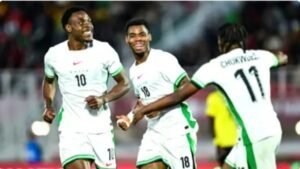
As the Super Eagles prepare for a high-stakes AFCON 2025 quarter-final against Algeria, a familiar and contentious debate has erupted, pitting financial entitlements against national duty. Former Gombe Football Association Chairman, Ahmed Gara-Gombe, has issued a stark admonition to the squad, urging them to prioritize patriotism, discipline, and professionalism above all else. His comments come amid reports that players threatened a training boycott over unpaid bonuses and allowances—a recurring theme that threatens to derail Nigeria’s campaign.
Gara-Gombe’s critique cuts to the heart of a complex issue in modern African football. While he condemns the timing and method of the protest as “unpatriotic” and “embarrassing,” his argument expands into a deeper examination of the player-federation dynamic. “Representing Nigeria should come with sacrifice, discipline, and respect for national pride,” he stated, framing the jersey as an honor that transcends financial transaction. He contrasts the Eagles’ stance with that of other African stars, notably Morocco’s squad, whom he says “only need the national team shirt” and value pride over payments.
However, this perspective often overlooks the structural context. Player bonuses, while potentially minor compared to European club salaries, are legally binding commitments from the Nigeria Football Federation (NFF). Failures to pay undermine trust and professional agreements. Gara-Gombe’s rhetorical question—”How much is the bonus they are quarrelling over compared to their monthly salaries in Europe?”—misses this point of principle. Yet, his critique of the timing is potent: “There was almost two months between the Tanzania match and this tournament. Why wait until camp to disrupt preparations?” This highlights a chronic failure in proactive communication between the NFF and the team, where issues are left to fester until crisis point.
The former chairman also pointedly questioned the leadership within the team camp. “Leadership is about calming tensions, not encouraging protests that ridicule the country,” he said, implying that senior players and captains have a responsibility to guide younger teammates and channel grievances through proper, private channels. This leadership vacuum, combined with the NFF’s recurrent administrative failures, creates a perfect storm of distraction ahead of crucial matches.
Gara-Gombe’s most provocative solution is a call for systemic change: incorporating more “hungry and patriotic” players from Nigeria’s domestic league. He notes that other AFCON contenders like Morocco, Egypt, and South Africa successfully blend local and foreign-based talent. This approach, he argues, would not only bolster patriotism but also protect the team from the leverage of Europe-based stars during contractual disputes. It’s a sentiment that resonates with many fans who yearn for a deeper connection between the national team and the local football ecosystem.
The underlying warning in Gara-Gombe’s message is one of legacy and consequence. “If they boycott and lose, Nigerians will not forgive them,” he cautioned, reminding the players that in the court of public opinion, victory is the ultimate currency. Furthermore, he warned that a lack of discipline “could hurt players after retirement,” tarnishing their standing in the very nation they represent.
This situation presents not a simple choice between money and patriotism, but a multifaceted crisis of governance, communication, and shared responsibility. For the Eagles to truly excel, as Gara-Gombe demands, requires more than just player selflessness. It demands a professional, trustworthy environment from the NFF, assertive internal leadership from the team’s veterans, and grievances handled with strategic foresight—not as last-minute ultimatums. The coming match against Algeria will test not only their skill but their ability to unite amidst this self-inflicted turmoil.
Nigeria, having won all its matches and scored 12 goals en route to the quarter-finals, now faces its toughest opponent yet: itself. The blockbuster encounter in Marrakech will reveal whether the Eagles have heeded the call to place national interest first, or if internal divisions will ground their soaring ambitions.