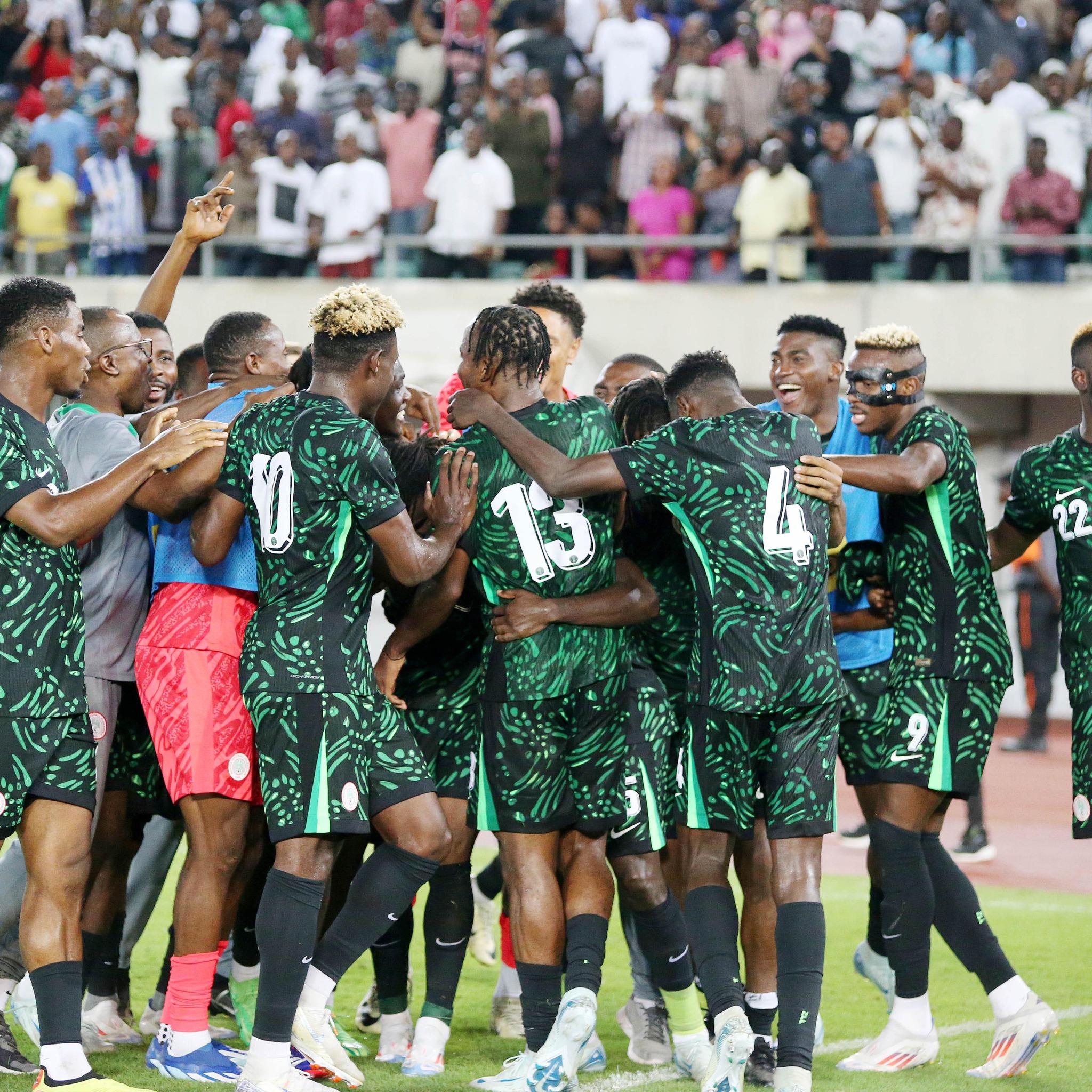
A familiar and disruptive shadow has fallen over the Super Eagles’ camp in Fès, Morocco, threatening to derail their promising Africa Cup of Nations (AFCON) campaign. On the eve of a crucial quarter-final clash against arch-rivals Algeria, the team’s preparations have been rocked by a dispute over unpaid match bonuses, a recurring theme that has plagued Nigerian football for decades.
The Nigeria Football Federation (NFF) finds itself in a familiar, precarious position. The Super Eagles, having delivered a flawless group stage performance with three wins, are now demanding the payment of bonuses for those four matches (including a pre-tournament friendly) before they resume training or travel to Marrakech for Saturday’s knockout game. This standoff is not merely a financial spat; it’s a profound crisis of trust and governance that strikes at the heart of player motivation and national pride.
While team Media Officer Promise Efoghe had confirmed travel plans, the players have drawn a hard line. A source within the squad emphasized their focus remains on the Algeria match, but that “no further team activities would take place until all entitlements were settled.” This action underscores a shift in player power—no longer willing to accept promises, they are leveraging their most critical moment to demand contractual obligations be met.
A source at the NFF offered a glimmer of hope, stating the payment process had been initiated, with funds released from the Central Bank of Nigeria to the players’ individual accounts. The delay, according to the federation, is now down to “banking procedures.” However, for players who have heard similar explanations before, this rationale often rings hollow. The timing—on the cusp of the tournament’s most important match—reveals a catastrophic failure in planning and cash flow management by the football administration.
This incident is depressingly far from isolated. As reported, a nearly identical scenario unfolded just months earlier during the 2026 World Cup qualifying playoffs in Rabat. Then, unpaid allowances preceded Nigeria’s heartbreaking penalty shootout elimination to DR Congo. The pattern is clear: financial disarray directly correlates with on-pitch instability. It raises a critical question for the NFF: how can players be expected to perform at their peak, carrying the hopes of 200 million Nigerians, when their basic contractual agreements are not honored promptly?
The broader context makes this dispute even more damaging. AFCON is not just a tournament; it’s a global shop window for players seeking club moves and a source of immense national prestige. Algeria, their upcoming opponent, will undoubtedly seek to exploit any fractional discord within the Nigerian camp. Mental focus, tactical cohesion, and collective spirit—all essential for knockout football—are eroded by off-field distractions about unpaid wages.
As the clock ticks down to the 5 p.m. Nigeria time kickoff at the Stade de Marrakech, the resolution of this crisis will be a telling indicator. Will the NFF manage to bridge the gap of trust in time to unleash a unified Eagles side? Or will this recurring saga of “bonus disputes” once again prove to be the team’s most formidable opponent, undermining talent and ambition at the very moment it matters most? The coming hours will determine if this is merely another managed crisis or a fatal flaw that costs a nation its footballing dream.